
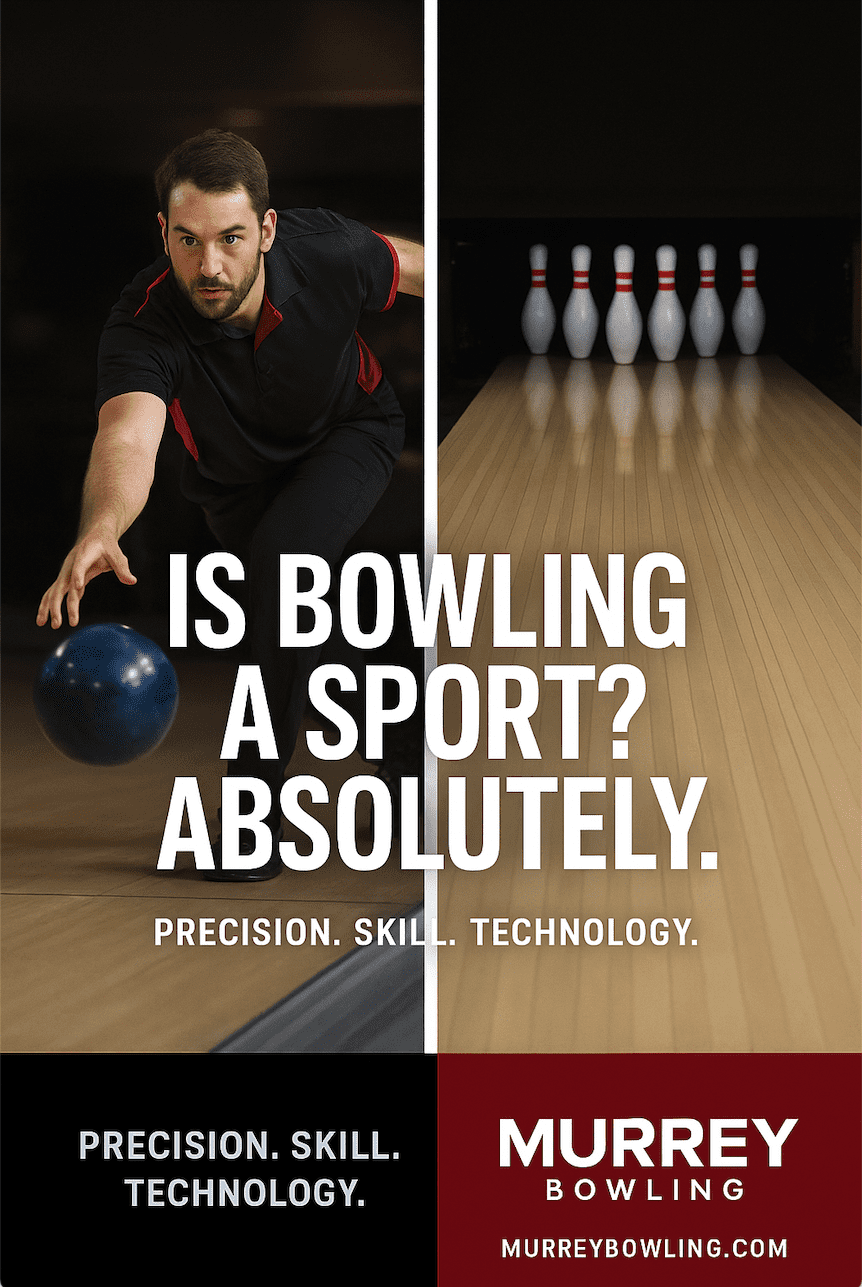
The debate over whether bowling is a sport or a recreational activity has persisted for decades. For many, it’s a social pastime — a Friday night with friends or a family-friendly outing. But for millions of competitive bowlers worldwide, it’s much more than that. Bowling requires physical skill, precision, mental focus, and competitive drive — all hallmarks of a legitimate sport.
The Athletic Demands of Bowling
Bowling may not appear physically intense at first glance, but elite bowlers train extensively to refine their balance, timing, and muscle control. A single delivery engages the legs, core, shoulders, and forearm, while accuracy depends on consistent body mechanics and stamina through multiple games or tournaments.
Professional and collegiate bowlers often engage in off-lane conditioning — flexibility work, leg strength training, and cardio — to enhance performance and reduce injury risk. The physical element, when combined with the mental challenge of adjusting to oil patterns and lane conditions, firmly places bowling in the category of sport.
The Competitive Structure
Bowling has a well-established competitive framework. Organizations such as the Professional Bowlers Association (PBA) and the United States Bowling Congress (USBC) regulate competitions, rankings, and standards.
Players compete at local leagues, state tournaments, collegiate levels, and international championships — all under official scoring systems and regulations. That infrastructure mirrors traditional sports like golf or tennis, where strategy and consistency outweigh brute strength.
Technology and Equipment in Modern Bowling
Like any evolving sport, bowling has seen major advances in technology. Lane materials, oiling systems, and pinsetter mechanics now play a significant role in consistency and performance.
Murrey Bowling International has been at the forefront of these innovations, designing and manufacturing the MML-3000™ Synthetic Bowling Lane System — the same system used in high-level competition centers worldwide. These lanes deliver uniform performance characteristics, ensuring that every game is determined by skill, not inconsistent conditions.
The precision engineering behind modern synthetic lanes has transformed bowling centers into high-performance venues capable of hosting professional events, while also reducing maintenance and operational costs for proprietors.
Why the Debate Persists
Part of the confusion comes from bowling’s accessibility. Because anyone — regardless of age or athletic background — can participate, it’s easy to associate bowling with recreation. However, that inclusivity doesn’t disqualify it as a sport; it strengthens its appeal.
Like golf or darts, bowling blends competition and leisure, offering an approachable entry point for casual players while still demanding extraordinary precision from professionals.
Bowling IS a Sport!
So, is bowling a sport? Absolutely. It demands physical control, mental toughness, and technical mastery — all developed through practice and competition. The evolution of equipment and technology, led by innovators like Murrey Bowling International, continues to raise the standards of play and professionalism across the industry.
Whether you’re a competitive bowler or a center owner aiming to create a world-class environment, the foundation of bowling’s athletic integrity begins with precision — in both skill and the lanes beneath your feet.